– The Tea Journal –
How to Brew Loose Leaf Tea
Making a good cup of loose leaf tea does not require complicated equipment or perfect technique. A few simple principles will take you remarkably far.
Brewing & the Cup
|
About 7 minute read
|
September 2026
A Good Cup Is Easier Than You Think
Loose leaf tea can sometimes seem more complicated than it really is.
There are temperatures to remember, steeping times to consider, different kinds of tea, different strainers, different opinions, and—if you spend enough time reading about tea—an impressive number of ways to turn something as simple as hot water and leaves into a very serious subject.
But brewing tea does not need to begin with expertise.
At its simplest, you need tea, water, something to brew it in, and a little attention.
Everything else is refinement.
The purpose of learning how to brew loose leaf tea is not to arrive at one perfect method. It is to understand a few useful principles well enough that you can begin noticing what happens in your own cup.
Because the best brewing instructions are not commandments.
They are starting points.
Begin With the Leaves
For most loose leaf teas and herbal blends, a useful starting point is about 1 teaspoon of tea for every 8 ounces of water.
That sounds wonderfully simple until you look at two teas side by side.
A teaspoon of tightly rolled oolong may contain considerably more tea by weight than a teaspoon of fluffy chamomile blossoms. Large leaves, flowers, fruit pieces, and herbs can take up much more space than smaller tea leaves.
So the teaspoon is best understood as a convenient beginning rather than a universal measurement.
If your tea tastes too weak, use a little more leaf.
If it tastes stronger than you enjoy, use a little less.
Over time, you may find yourself measuring less and recognizing the right amount almost by sight.
That is part of becoming familiar with a tea.
Water Temperature Matters
One of the easiest ways to change the character of a cup is to change the temperature of the water.
Delicate teas generally prefer cooler water. More robust teas and most herbal infusions can handle—and often benefit from—higher temperatures.
As a practical starting point:
| Tea or Infusion | Water Temperature | Starting Steep |
|---|---|---|
| White tea | 170-180°F | 3-5 minutes |
| Green tea | 165-180°F | 2-3 minutes |
| Oolong tea | 180-200°F | 3-5 minutes |
| Black tea | 200-212°F | 3-5 minutes |
| Rooibos | 200-212°F | 5-7 minutes |
| Herbal / botanical infusion | 200-212°F | 5-7 minutes |
These ranges are intentionally broad.
A sencha and a roasted green tea may both be called green tea, yet they can behave very differently in the cup. An oolong may be light and floral or dark and deeply roasted. A botanical blend containing roots and spices may need more time than one made primarily from soft flowers and leaves.
The individual tea should always have the final word.

If a tea tastes unexpectedly bitter or harsh, try lowering the water temperature before changing anything else. Sometimes a gentler brew reveals a completely different cup.
Time Changes the Story
Steeping time determines how much the water extracts from the leaves.
At first, the cup may be light and delicate. With more time, flavor deepens. Eventually, some teas begin to release more bitterness, astringency, or heavier botanical notes.
That does not necessarily mean a longer steep is wrong.
Some people enjoy a bold black tea brewed for five minutes. Others prefer the same tea after three. One person may love the tartness of a strongly steeped hibiscus blend while another prefers it much softer.
Start with the recommended time, taste the tea, and pay attention.
The next cup can be thirty seconds shorter.
Or a minute longer.
Small changes are often enough.
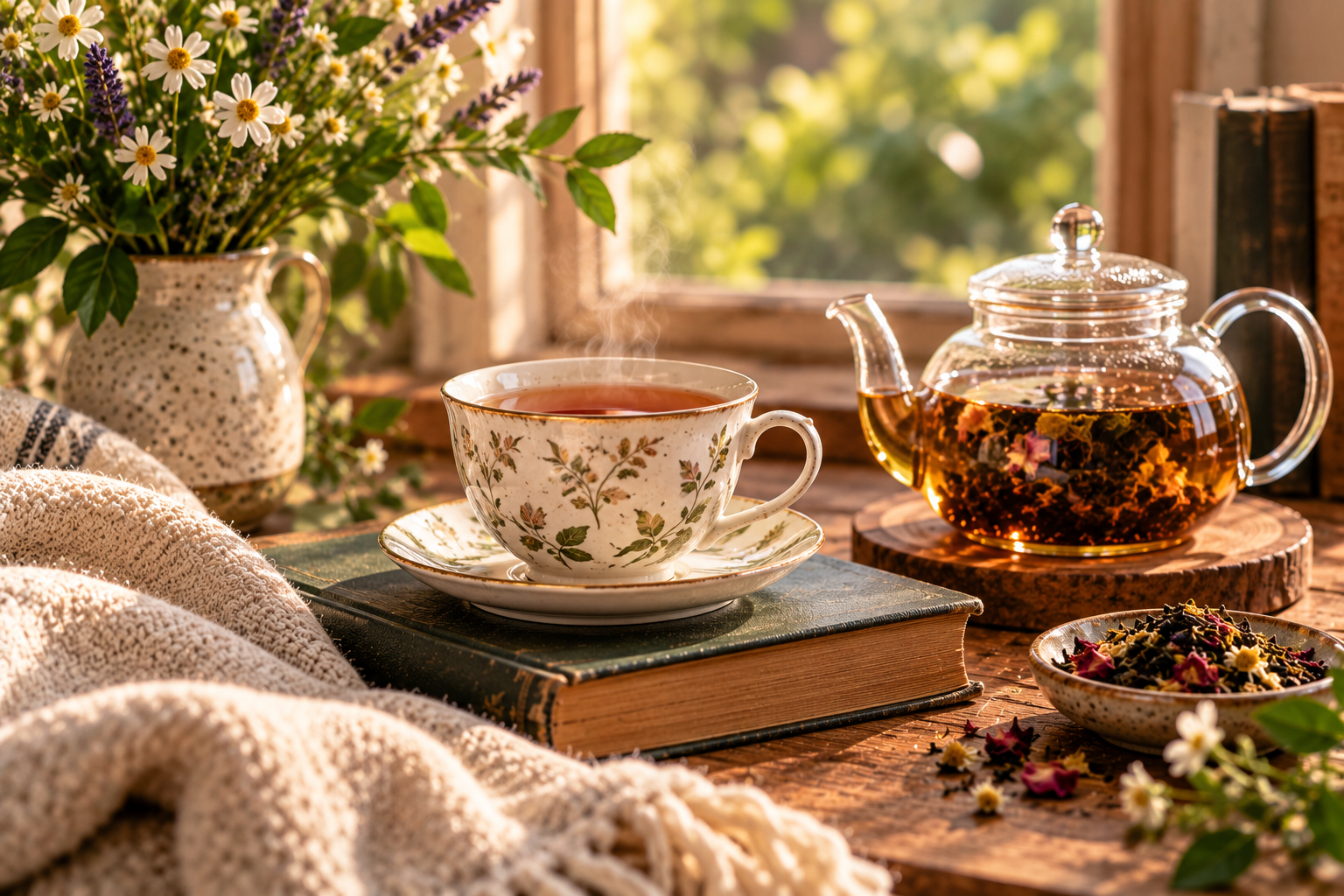
Brewing tea is all about your own taste.
Give the Leaves Room
Loose leaf tea expands as it brews.
That simple fact is one of the reasons loose leaf tea can produce such an expressive cup. The leaves are able to open, move through the water, and release their aroma and flavor gradually.
Whatever brewing method you use, try to give the tea some room.
A roomy basket infuser is often easier for beginners than a small tea ball because the leaves have more space to unfurl. A teapot with a removable strainer works beautifully as well. Some people prefer brewing the leaves freely in a pot and straining the tea afterward.
There is no need for elaborate equipment.
The important thing is simply to avoid packing the leaves so tightly that water cannot circulate around them.
Water Deserves More Attention Than It Gets
Tea is mostly water.
Which means the water itself has a surprisingly large influence on the finished cup.
Water with strong chlorine, mineral, or metallic flavors can alter delicate teas considerably. If your tap water tastes pleasant on its own, it may make perfectly good tea. If it has a noticeable taste or odor, filtered water may produce a cleaner cup.
Fresh water is generally preferable to water that has been repeatedly boiled.
And while it is easy to become very technical about mineral composition, hardness, and pH, you do not need to begin there.
Taste the water.
Then taste the tea.
If something seems off, the water may be worth investigating.
Taste Before You Fix It
Perhaps the most useful habit in brewing tea is also one of the simplest:
Taste it before changing it.
Try the tea plain at least once.
Notice the aroma before you drink. Pay attention to the first sip, the middle of the cup, and what remains after you swallow.
Is it delicate?
Bright?
Floral?
Earthy?
Dry?
Sweet?
Tart?
Comforting?
Does one ingredient seem louder than the others?
There are no correct answers.
You are simply learning what the cup is doing.
Only then decide whether you would like to adjust the next one.
More leaf may make the tea richer.
Less time may soften bitterness.
Cooler water may reveal more delicacy.
A longer steep may bring forward an ingredient that was barely noticeable before.
Tea becomes much easier to understand once brewing changes from following instructions into paying attention.
The cup is the final judge. Temperatures and steeping times are useful starting points, but your own taste ultimately decides what makes a good cup of tea.
And Then There Is the Second Steep
Many whole-leaf teas can be steeped more than once.
Oolong is particularly well known for this, but white, green, and some black teas may also offer enjoyable later infusions.
The second cup will not necessarily taste like the first.
Sometimes it is softer.
Sometimes sweeter.
Sometimes an aroma that seemed quiet at first becomes much more noticeable.
Later steeps may need slightly more time, but there is no need to overthink the process. Add fresh water and see what happens.
If the next cup is still interesting, the leaves had another story to tell.
A Simple Place to Begin
If all of this feels like a lot to remember, you really only need four questions:
How much tea did I use?
How hot was the water?
How long did I steep it?
Did I enjoy the cup?
That is enough to begin.
Make one change at a time and you will quickly learn how a tea responds.
You may discover that you prefer your green tea cooler than the package suggests. You may like your rooibos unusually strong. You may decide that three and a half minutes produces exactly the Earl Grey you want on a rainy afternoon.
Those preferences are not mistakes.
They are yours.
And that is one of the pleasures of brewing loose leaf tea: the instructions eventually become familiarity.
You stop simply making tea.
You begin knowing your tea
Keep the Kettle Close
There is a great deal more we could explore—water chemistry, vessel materials, gongfu brewing, cold infusion, traditional methods from around the world, and the fascinating ways processing changes how a leaf behaves in water.
We’ll get there.
For now, begin with good leaves, fresh water, a little patience, and your own attention.
Make a cup.
Taste it.
Change something next time if you want to.
And remember that learning tea does not require getting everything right.
It begins by noticing.
Continue the Story
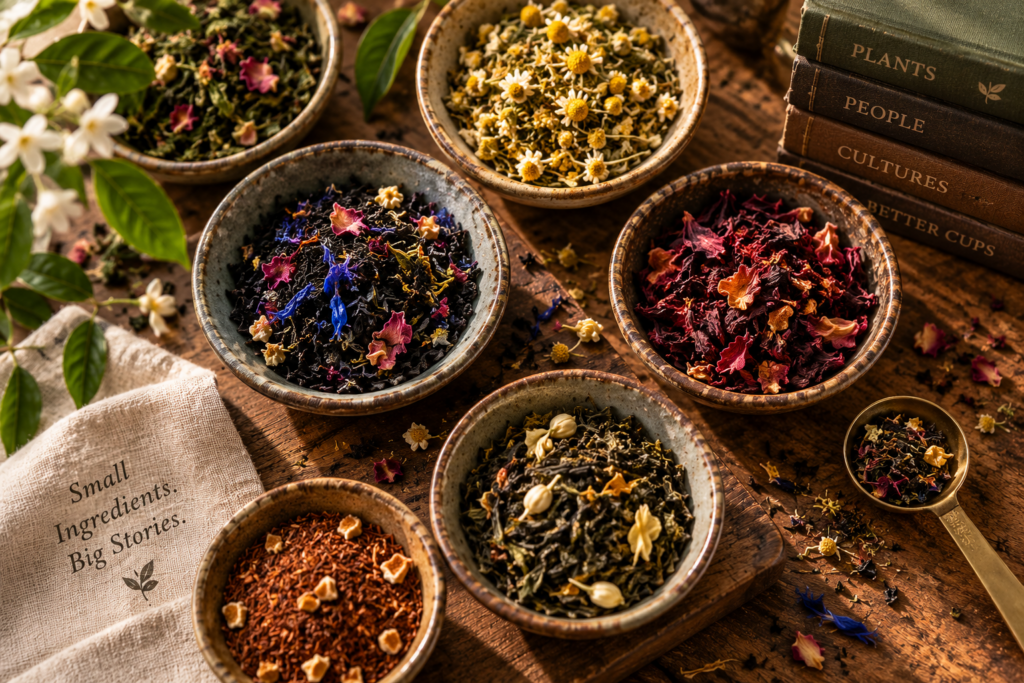
Tea, Tisane, or Herbal Infusion?
We call many things “tea”. Technically, not all of them are. The Distinction leads somewhere surprisingly interesting.
Read more…
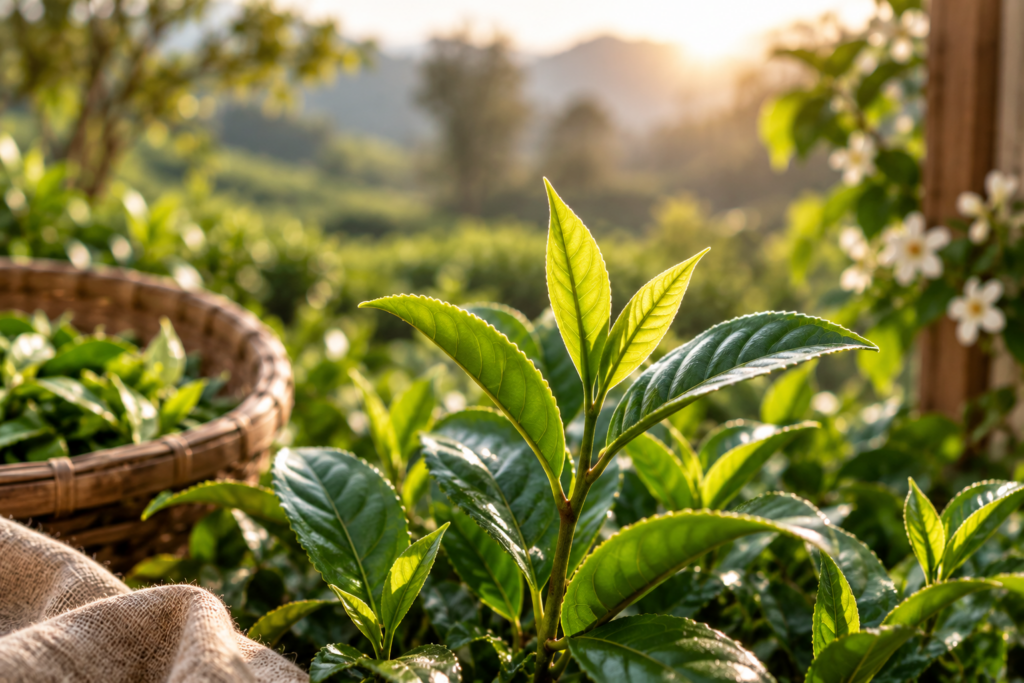
From Leaf to Cup: What is Tea?
Black, green, white, and oolong teas can look and taste remarkably different – yet they begin with the same remarkable plant.
Read more…